Bonus Rollover Timelines and Scheduling Patterns in Nordic Licensed Card Rooms
Alex Perry · Nov 9, 2026
Bonus Rollover Timelines and Scheduling Patterns in Nordic Licensed Card Rooms
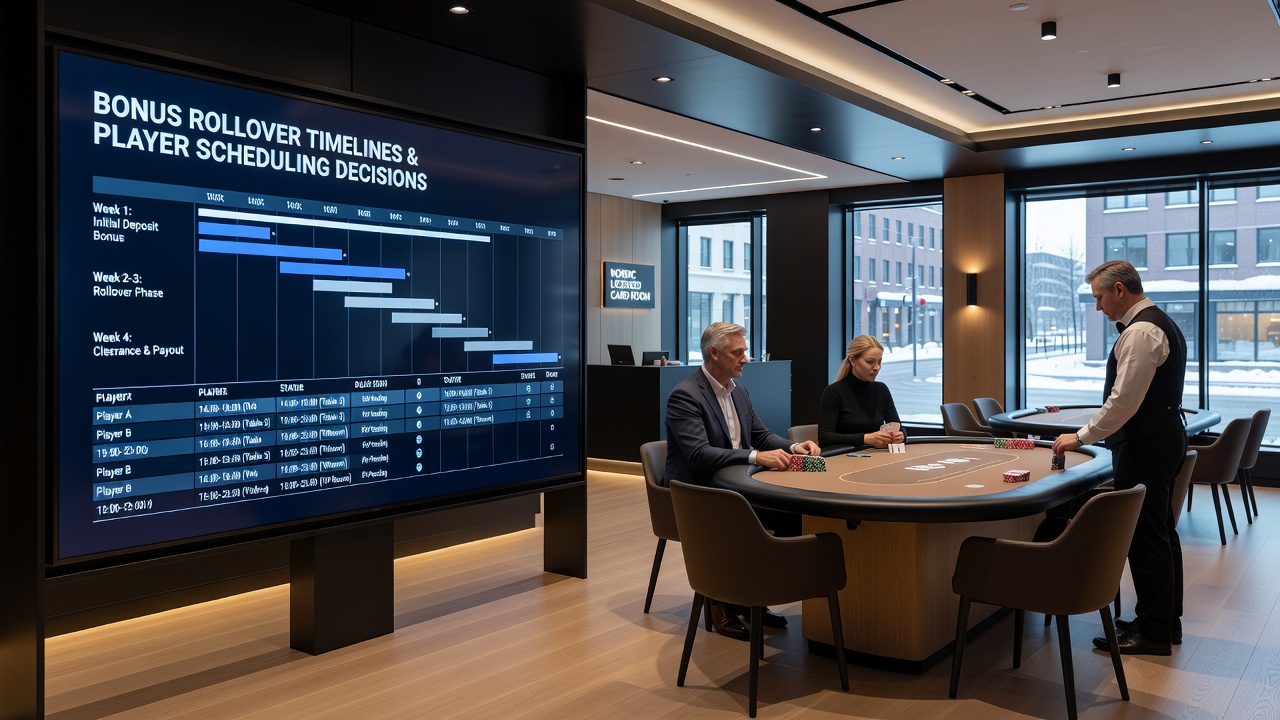
Bonus rollover timelines in Nordic licensed card rooms follow strict regulatory frameworks set by national authorities, and these periods directly influence how participants organize their playing schedules across multiple weeks. Operators in Sweden, Denmark, and Finland must comply with local licensing conditions that cap the duration available for completing wagering requirements, typically ranging from 30 to 90 days depending on the specific bonus structure and jurisdiction.
Regulatory Frameworks Governing Rollover Periods
Swedish Spelinspektionen rules require operators to display clear rollover deadlines before players accept any promotional offer, and this transparency helps participants calculate the exact number of hands or tournament entries needed within the allotted window. Data from industry reports indicate that most Swedish-licensed rooms set 45-day windows for cash game bonuses while tournament packages often extend to 60 days to accommodate series schedules. Danish authorities apply similar standards yet allow flexibility when operators tie bonuses to seasonal events, and observers note that this approach leads to clustered activity near major festivals.
Finland's system, managed through the Lotteries Act, imposes shorter average timelines than its neighbors, and players there frequently adjust weekly volumes to meet 30-day thresholds without breaching daily deposit caps. Researchers at the University of Helsinki documented these patterns in a 2025 analysis that tracked session frequency across licensed platforms, and the study found consistent spikes in activity during the final ten days of each rollover cycle.
Player Scheduling Decisions Under Time Constraints
Participants in Nordic card rooms often break their play into segmented sessions that align with rollover progress trackers displayed in account dashboards, and this method reduces the risk of missing deadlines when unexpected schedule conflicts arise. Tournament players in particular map out entry calendars around series dates in November 2026, when several major events across Stockholm and Copenhagen overlap with common bonus expiration windows. One documented case involved a group of regulars who shifted their Tuesday and Thursday night schedules to earlier afternoon slots to accumulate required rake points before a 45-day bonus closed.
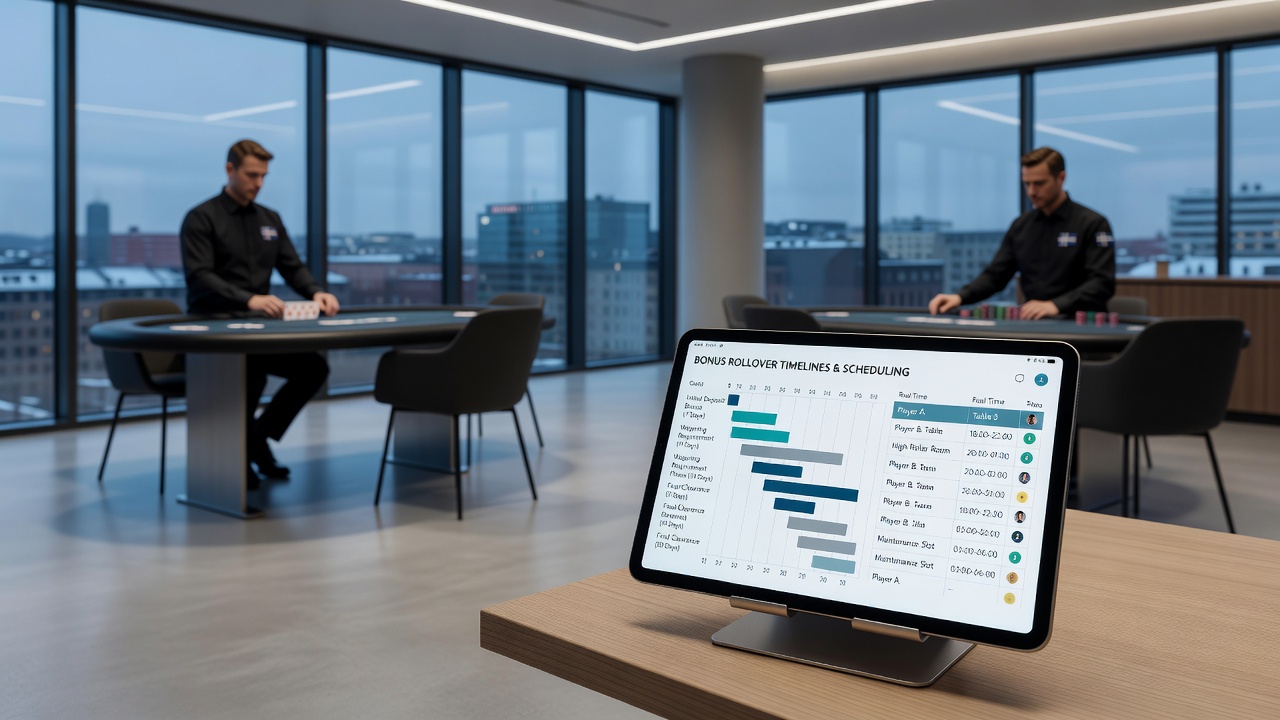
Those who study these markets point out that cash game specialists tend to favor steady volume over short bursts, whereas tournament grinders concentrate entries in the middle third of any given rollover period to leave buffer time for variance. Scheduling software integrated into many licensed apps now includes countdown alerts tied directly to bonus terms, and this feature has become standard since 2024 updates to mobile platforms.
Impact of Overlapping Promotions on Daily Routines
When multiple bonuses run concurrently, players must prioritize which rollover to complete first based on remaining time and contribution rates, and this decision tree often determines whether someone logs in for morning cash games or evening tournaments. Licensed rooms publish contribution percentages for different game types, and these figures guide participants toward formats that accelerate progress on the tightest timelines. A 2026 report from the European Gaming and Betting Association highlighted how Nordic operators adjusted bonus structures after player feedback showed confusion during overlapping periods, resulting in clearer priority indicators within user interfaces.
Seasonal adjustments appear most pronounced around late-year festivals, and November 2026 schedules already list several Nordic Championship qualifiers that coincide with typical bonus reset dates. Players who track these alignments report building weekly templates that reserve specific days for high-contribution games while protecting rest periods to maintain performance levels.
Technology Tools Supporting Timeline Management
Most Nordic platforms now embed progress meters that update in real time after each session, and these tools connect directly to calendar applications so users can block out necessary playing windows weeks in advance. External tracking sites licensed under local rules provide additional layers of oversight, allowing cross-room comparisons of rollover lengths without leaving regulated environments. Observers have recorded increased use of these integrated features since mobile updates rolled out in early 2026, particularly among multi-table participants who manage several active bonuses simultaneously.
Conclusion
Bonus rollover timelines continue to shape daily and weekly planning for participants in Nordic licensed card rooms, and the interaction between regulatory deadlines and personal calendars produces predictable activity patterns throughout the year. Operators maintain compliance through transparent displays and automated reminders while players refine scheduling habits around these fixed windows. As November 2026 approaches with its cluster of major events, these dynamics are expected to remain central to how regulated play unfolds across the region.