Payment Choices Driving Strategic Shifts in Sweden's Regulated Mobile Poker Tournaments
Wendy Beck · Aug 31, 2026
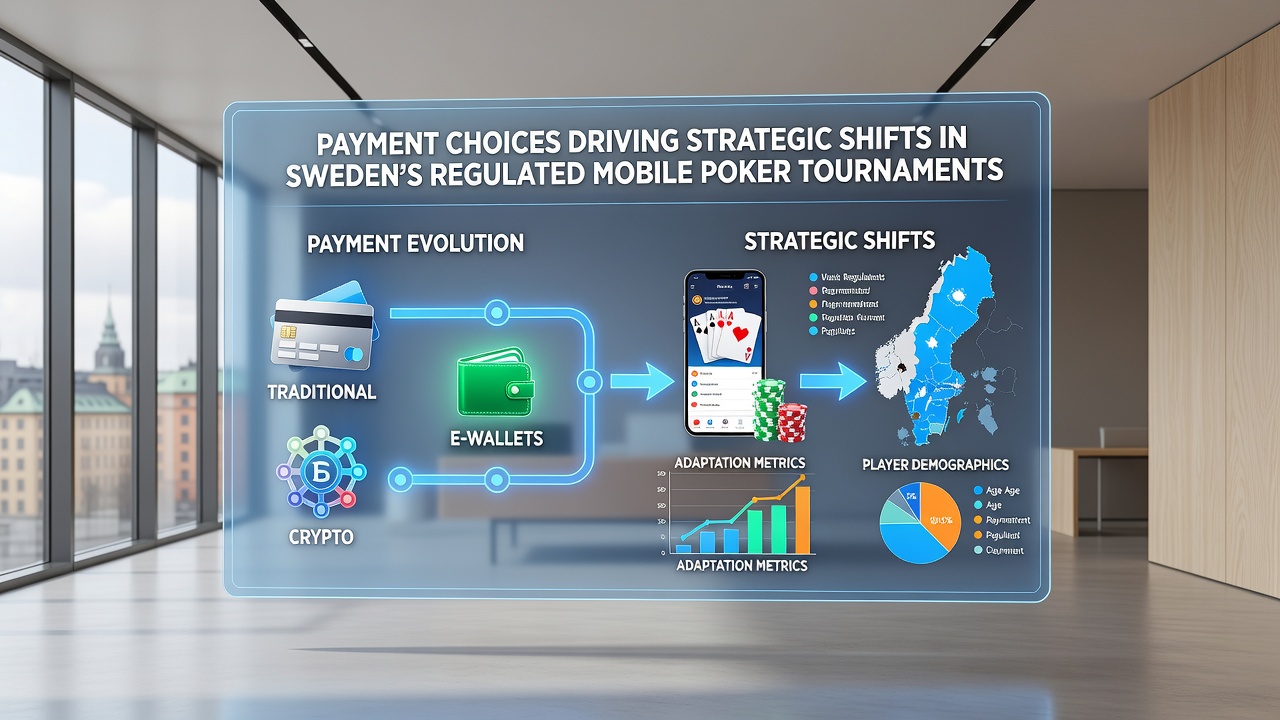
Payment Choices Driving Strategic Shifts in Sweden's Regulated Mobile Poker Tournaments
Payment options have reshaped how operators structure mobile poker tournaments across Sweden's regulated landscape, where licensed platforms must align entry processes with available transaction methods that players actually use. Data from industry reports shows that choices such as instant bank transfers, digital wallets, and card-based systems influence participation rates, prize pool formations, and scheduling decisions in ways that extend beyond basic compliance.
Core Payment Methods and Their Tournament Integration
Swedish operators have integrated local instant payment systems alongside international card networks, which allows tournaments to open registration windows that close only minutes before start times. This setup supports higher volumes of late entries because funds clear without the delays common in traditional wire transfers. Observers note that platforms using these combined methods record steadier daily tournament traffic compared with those limited to slower settlement options.
Digital wallets tied to bank accounts further streamline the flow of entry fees, and this matters when multiple buy-ins occur within a single session. Research indicates that players who rely on wallet services complete deposits at rates that exceed card-only users by measurable margins during evening peak hours. As a result, tournament directors adjust blind structures and payout tiers to accommodate the influx of participants who arrive through these faster channels.
Strategic Adjustments by Licensed Operators
Operators respond to payment preferences by redesigning mobile interfaces that prioritize methods with the highest completion rates among Swedish users. One documented shift involves offering lower minimum buy-ins for tournaments funded through instant options, which broadens the player base without increasing operational risk. Figures from licensing data reveal that platforms making these adjustments saw average field sizes increase during the first half of 2026.
Another adjustment centers on how prize pools are funded adn disbursed. When withdrawals process through the same channels used for deposits, operators reduce holding periods and redirect resources toward larger guaranteed prizes. This approach appears in several mid-stakes events scheduled for August 2026, where payment-driven liquidity supports guarantees that would otherwise require external backing.
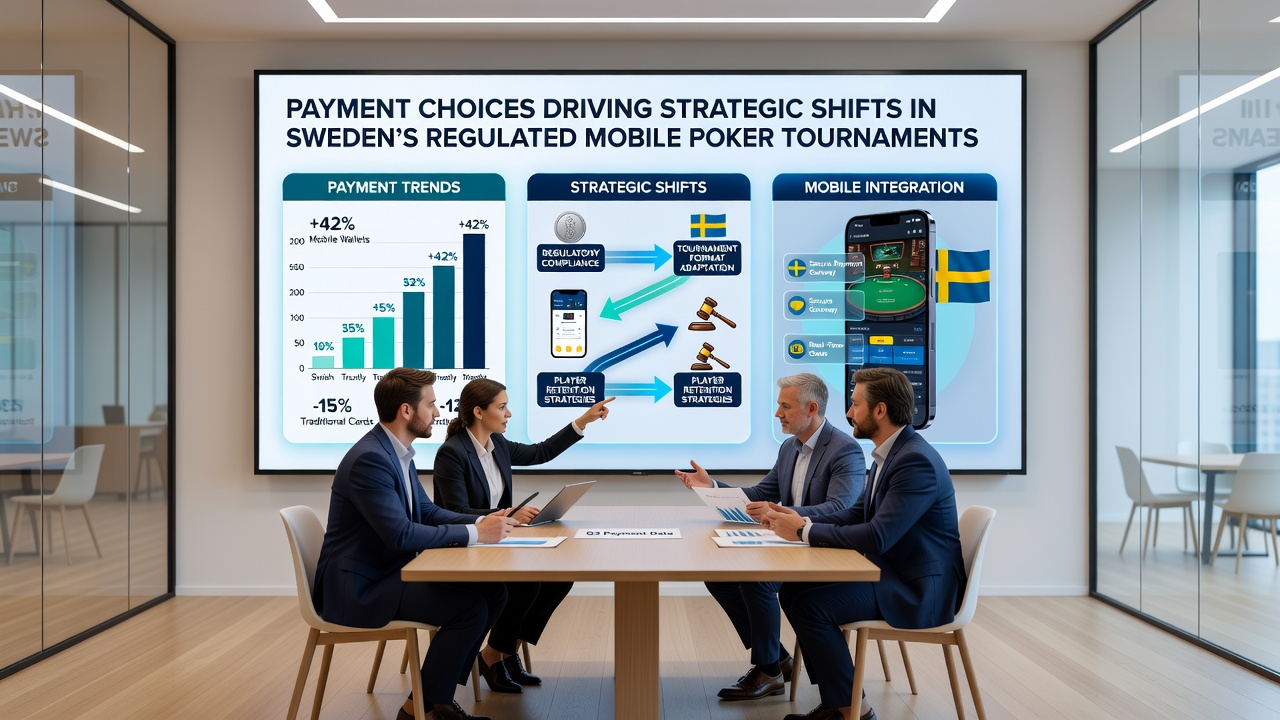
Those who have tracked these changes point to case examples where operators introduced tiered entry fees linked to specific payment rails. Lower tiers open exclusively to instant methods, while higher tiers accept cards with standard processing times. The outcome shows clearer segmentation of player pools, which in turn lets organizers run parallel tournaments that target different spending patterns without overlap in liquidity demands.
Data Patterns Across 2026 Tournament Seasons
Records compiled through the first eight months of 2026 indicate that tournaments accepting a wider mix of payment types maintained more consistent registration curves than those with narrower options. Evening events in particular benefit when instant transfers reduce friction during the final hour before cards go in the air. External analysis from the Swedish Gambling Authority confirms that transaction speed correlates with session length across licensed mobile applications.
International comparisons add context. A report prepared by the Australian Gambling Research Centre examined similar patterns in other regulated markets and found that diversified payment access supported steadier growth in mobile tournament volume. Swedish platforms have applied parallel lessons by aligning their fee structures with domestic banking habits that emphasize real-time confirmation.
These patterns extend to how operators handle refunds and cancellations. When payment methods allow immediate reversal, tournament organizers introduce more flexible late-registration policies that attract players who might otherwise wait for confirmation. The net effect appears in higher overall turnover without corresponding increases in dispute volume.
Conclusion
Payment choices continue to shape operational decisions in Sweden's regulated mobile poker tournaments through measurable effects on registration timing, prize guarantees, and interface design. Licensed operators track transaction data to refine event calendars and entry thresholds, while players gain access to formats that match their preferred funding routes. As August 2026 data accumulates, the connection between settlement speed and tournament scale remains a central factor in how the market evolves.